
Every tree on a property is either an asset or a developing liability depending on how consistently it receives professional attention. Healthy, well-maintained trees enhance property value and provide genuine environmental benefits. Neglected trees accumulate structural vulnerabilities that weather events exploit without warning. The difference between those two outcomes comes down entirely to the quality and consistency of the care applied over time.
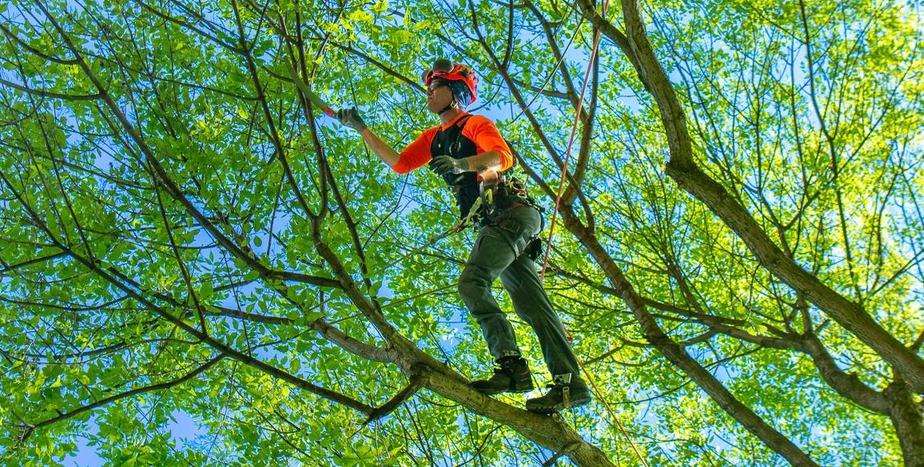
Professional Care Protects Trees and Everything Around Them
Trees do not communicate their problems obviously. Structural vulnerabilities develop silently. Decay progresses invisibly. A tree that appears healthy from the ground can harbor conditions that make it genuinely dangerous under wind loading. Property owners who take that reality seriously connect with experienced Springfield Tree Trimming & Removal Service professionals whose trained eyes identify what untrained ones consistently miss.
Trimming Done Correctly Strengthens Rather Than Stresses Trees
To begin with, professional tree trimming delivers outcomes that amateur pruning rarely achieves and sometimes actively undermines. Correct cut placement just outside the branch collar promotes rapid wound closure. It prevents the decay pathways that improper cuts leave open indefinitely. Removing the right branches at the right time improves structural balance. It reduces wind resistance in the canopy sections most vulnerable to storm damage. It directs growth energy toward the scaffold branches that define long term tree architecture.
Timing Trimming Around Species-Specific Windows Matters
Furthermore, when trimming occurs affects outcomes as significantly as how it is performed. Pruning wounds made during peak disease transmission periods create infection entry points that properly timed cuts would have avoided. Oak wilt transmission through fresh pruning wounds during certain seasons has claimed countless trees that properly timed trimming would have protected. Elms face similar disease transmission risks during specific periods.
Removal Requires More Planning Than Most People Anticipate
Another dimension of tree service that separates professional operators from casual ones is the planning and execution quality applied to removal situations. Trees positioned near structures, utility lines, and established landscaping cannot simply be felled and cleared. They require systematic sectional dismantling that controls every piece throughout the process. Weight distribution assessment, rigging system selection, and cut sequencing that prevents uncontrolled movement all require training and experience that the physical act of cutting alone does not provide. A removal that looks straightforward from the property line frequently involves complexities that only become apparent to experienced eyes during the assessment that should always precede the work.
Stump Grinding Completes What Removal Begins
Finally, a tree removed without stump grinding leaves behind a problem that generates its own set of ongoing issues. Stumps harbor pest species that may migrate toward the home structure. Root systems supporting the stump continue generating sprout growth that requires repeated management. The physical stump obstructs lawn maintenance and landscaping plans indefinitely. Professional stump grinding eliminates all of these concerns simultaneously. It reduces the stump below grade. It processes the root collar that drives regrowth. It leaves the area ready for whatever comes next without the ongoing management that an unground stump demands across the years following removal.
Conclusion: Professional Care Protects Trees and Everything Around Them
To sum it all up, professional tree trimming and removal combines correct pruning technique, species-appropriate timing, methodical removal planning, and complete stump management into a service that protects both the trees worth keeping and the property surrounding those that must come down.
Recent Comments